
Understanding IPC-A-610 – The Standard for PCB Assembly Quality
Quality and reliability in PCB assembly are not optional – they are essential, especially when producing electronics for demanding applications. That’s where IPC-A-610 comes in: a globally recognized standard that defines the acceptability criteria for assembled printed circuit boards (PCBA). In this post, we explore what IPC-A-610 means, why it’s […]
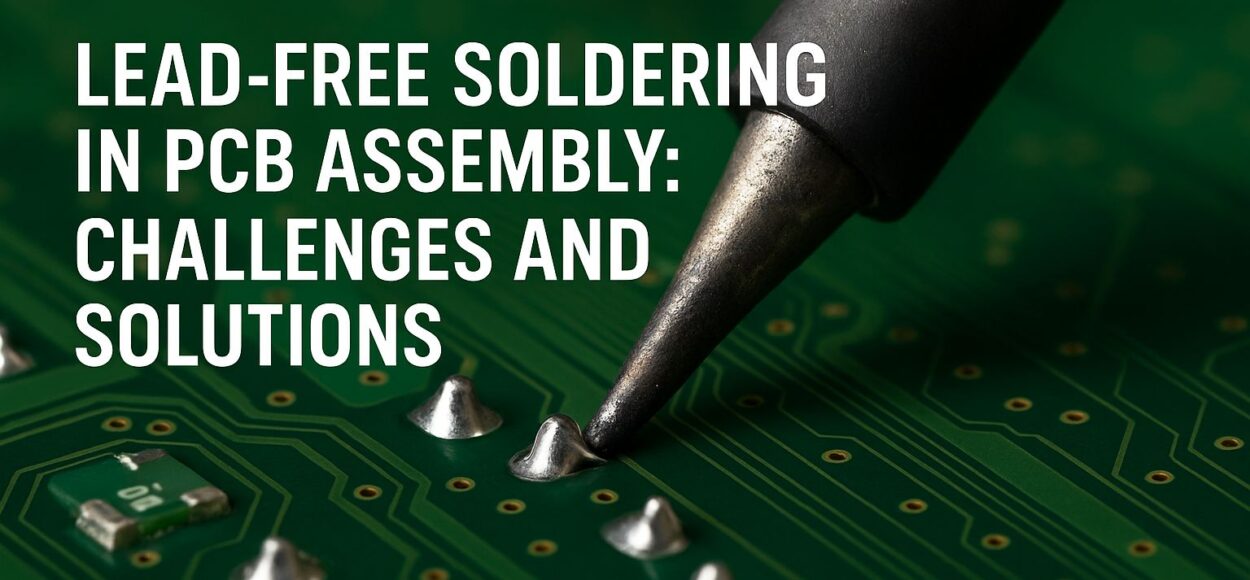
Lead-Free Soldering in PCB Assembly: Challenges and Solutions
In recent years, the electronics manufacturing industry has undergone a significant transformation driven by environmental regulations and increasing awareness of health and sustainability issues. Central to this transformation is the shift from traditional lead-based solder to lead-free alternatives – especially in PCB (Printed Circuit Board) assembly. For a company like […]
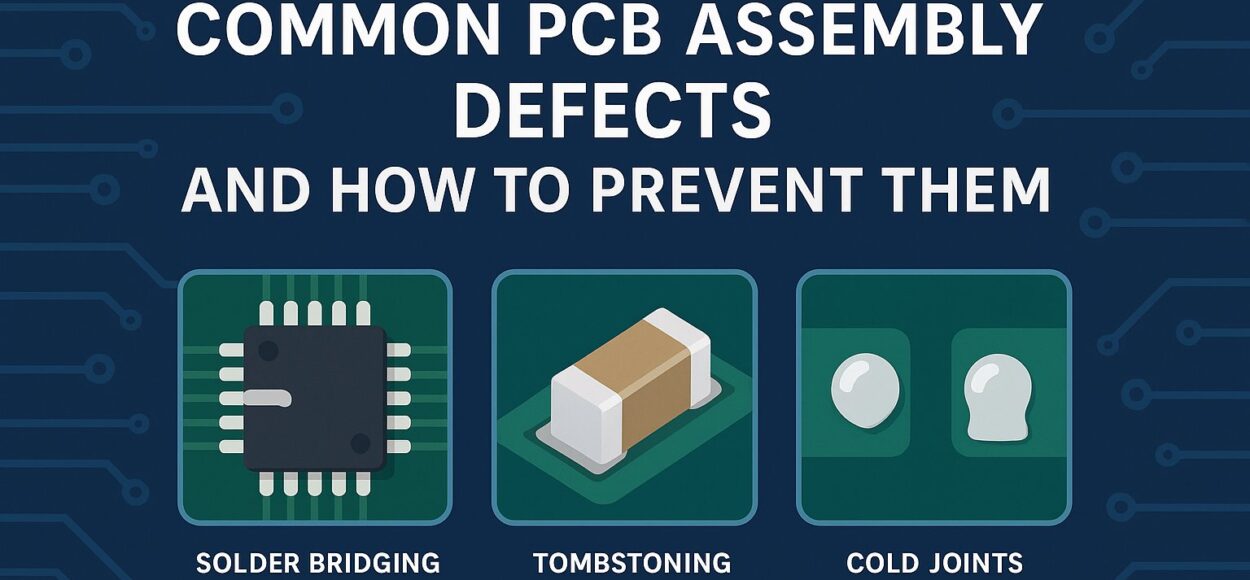
Common PCB Assembly Defects and How to Prevent Them
At Precision4PCB, quality and precision are at the core of every circuit we produce. PCB assembly is a highly intricate process that demands accuracy, consistency, and control. Even the smallest soldering error can result in major performance failures or costly rework. To maintain top-tier reliability, it’s essential to understand the […]

SMT vs. Through-Hole Assembly: Which is Best for Your PCB?
When it comes to PCB assembly, two methods dominate the industry: Surface Mount Technology (SMT) and Through-Hole Technology (THT). Both have their strengths, limitations, and ideal use cases. Choosing the right method can impact cost, durability, performance, and scalability of your electronic product. At Precision4PCB, we guide engineers and product […]