
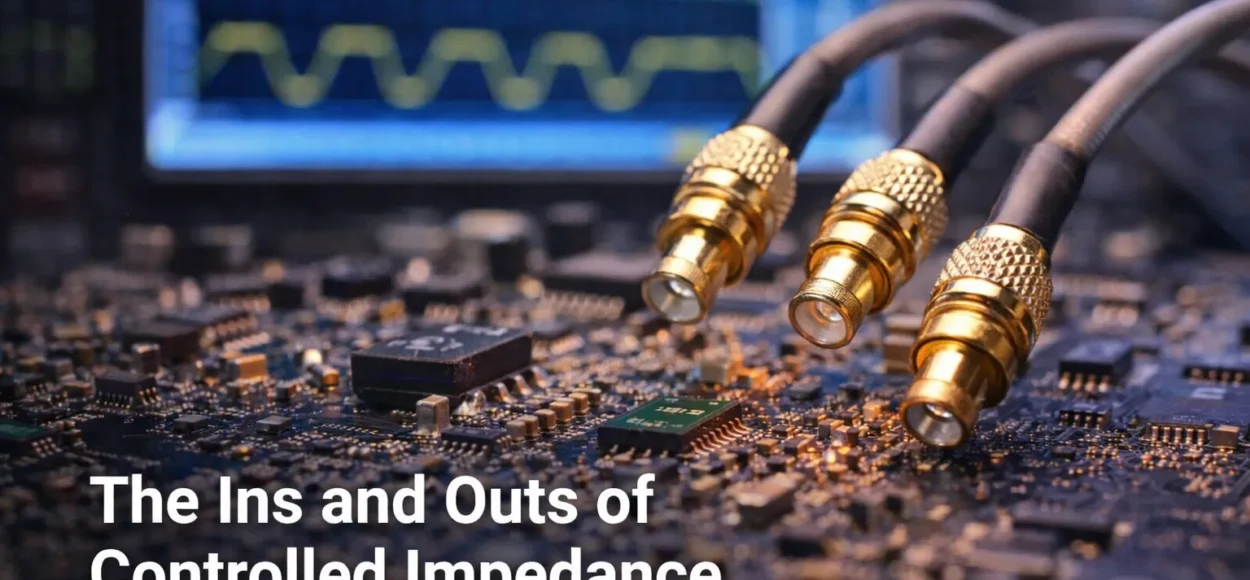
The Ins and Out of Controlled Impedance
Controlled impedance is essential for high-speed digital, RF, and high-frequency circuit performance. Engineers spend significant time calculating impedance values during the design phase, yet when the finished PCB is tested, the measured impedance sometimes differs from the expected results. Understanding why this happens is key to designing boards that perform […]
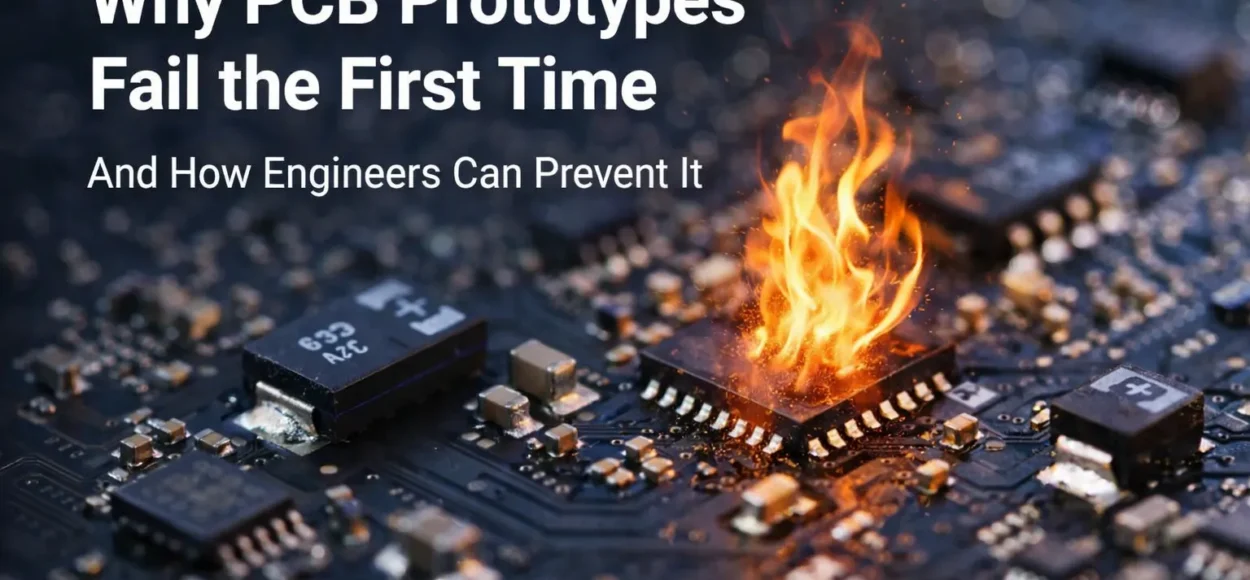
Why PCB Prototypes Fail the First Time – And How Engineers Can Prevent It
In electronics development, few things are more frustrating than a prototype PCB that fails the first time it is built. Engineers often spend weeks designing, simulating, and validating their circuits, only to discover that the physical board does not perform as expected once it reaches fabrication or assembly. The truth […]
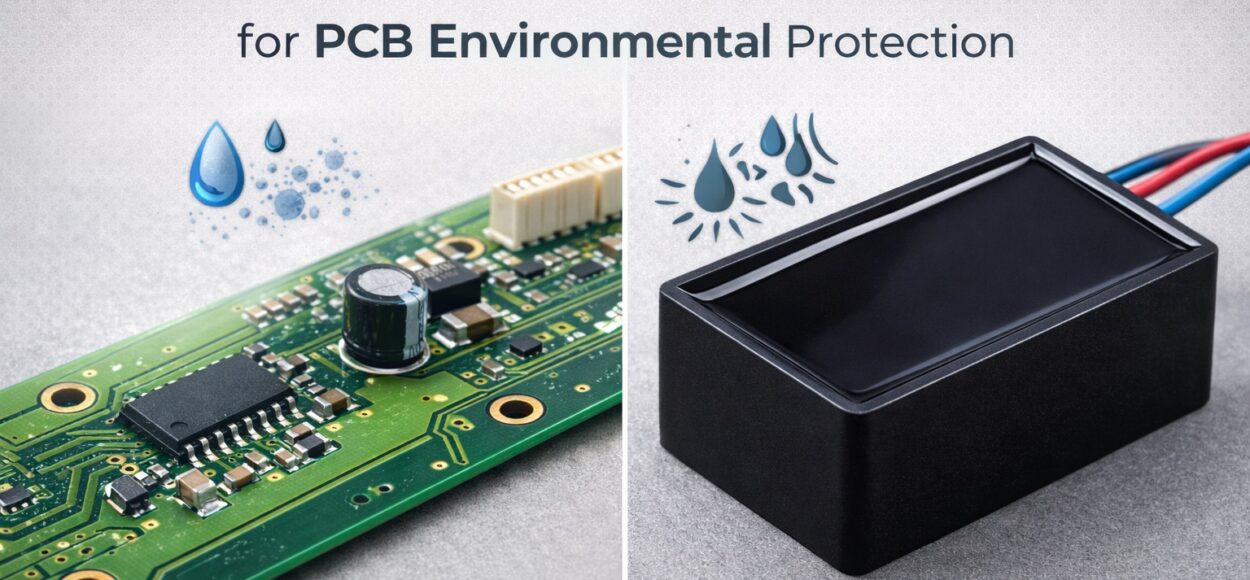
Conformal Coating vs. Potting: Protecting Your PCB from Environmental Damage
A Guide to Increasing PCB Lifespan with Protective Coatings Printed Circuit Boards (PCBs) are at the heart of modern electronic devices – controlling functionality in environments ranging from controlled indoor settings to harsh outdoor conditions. Whether you’re designing industrial controllers, automotive electronics, or consumer gadgets, protecting your PCB from environmental […]
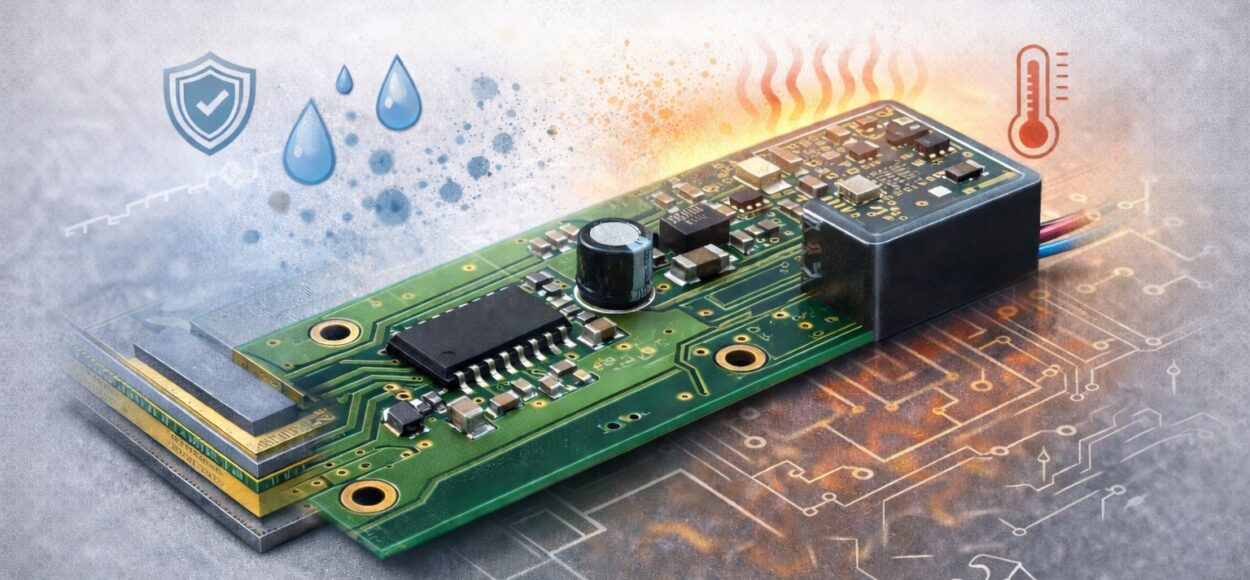
How to Design PCBs for Harsh Environments
Best Practices for Automotive, Aerospace, and Industrial Applications Printed circuit boards (PCBs) are everywhere – from consumer electronics to mission-critical systems in automotive, aerospace, and industrial environments. But not all PCBs are created equal. In harsh operating conditions – extreme temperatures, dust, vibration, moisture, chemicals – a standard PCB design […]
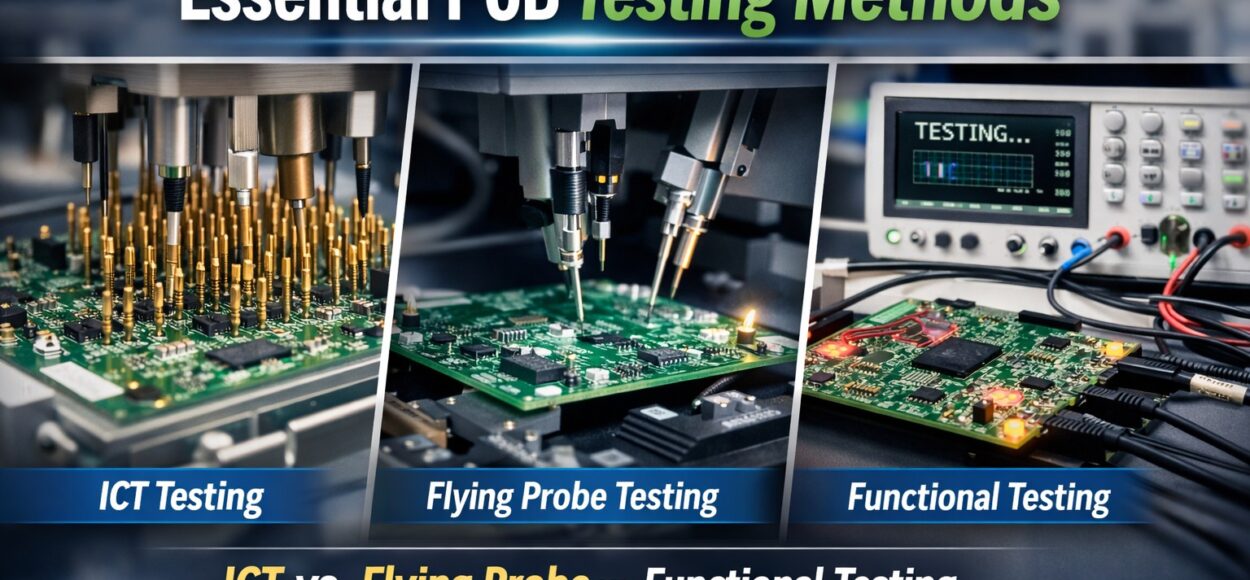
Essential PCB Testing Methods: ICT vs. Flying Probe vs. Functional Testing
Printed Circuit Boards (PCBs) form the backbone of virtually every electronic device. Yet a PCB is only as reliable as its testing process. Without robust testing, latent defects can lead to failures in the field, costly recalls, and damage to brand reputation. In this article, we’ll break down the three […]
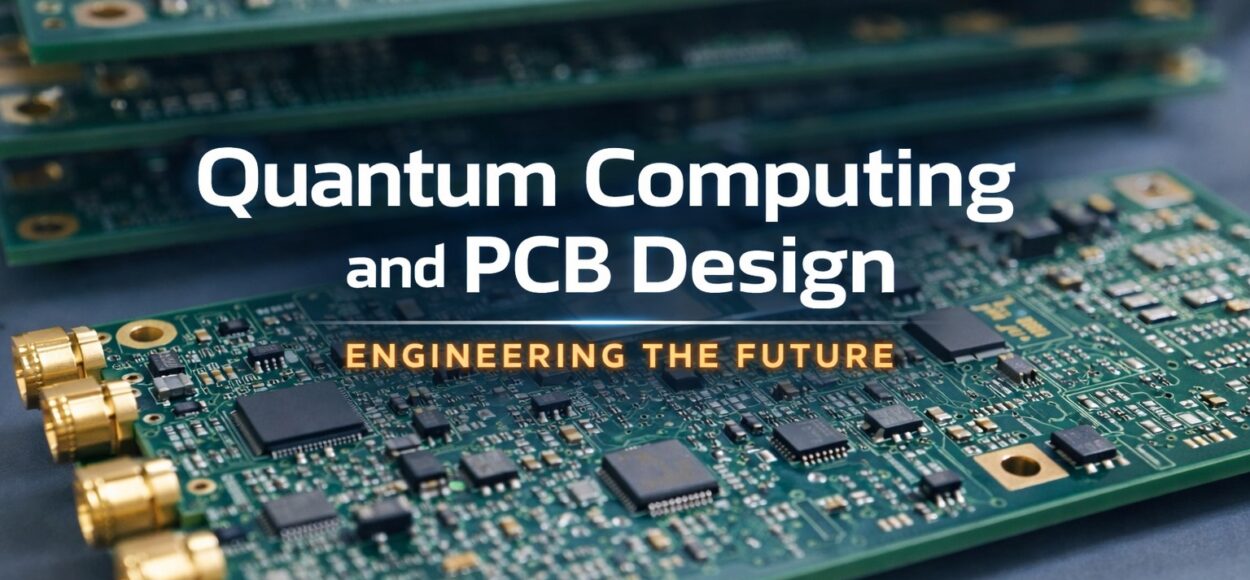
Quantum Computing and PCBs: Challenges in Designing for the Next Era
Quantum computing is transitioning from research labs to early commercial systems, promising unprecedented computational power for optimization, cryptography, and materials modeling. As this technology gains momentum, printed circuit boards (PCBs) – the backbone of every electronic system – must evolve to meet the extraordinary demands of quantum hardware. Unlike classical […]
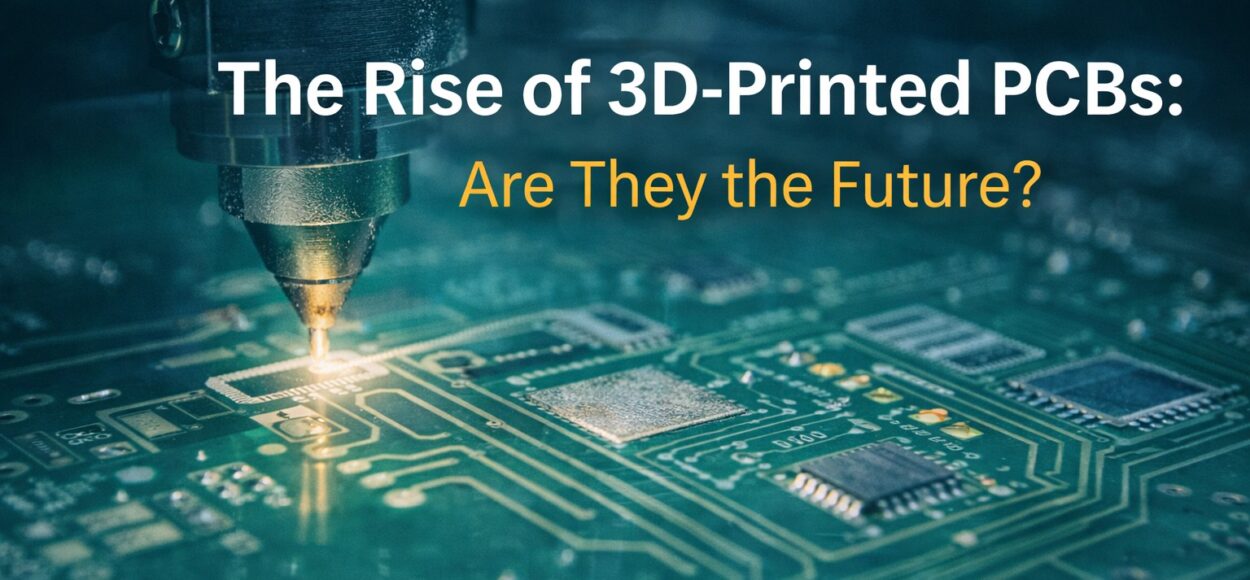
The Rise of 3D-Printed PCBs: Are They the Future?
Exploring Advancements in Additive Manufacturing for PCBs Over the past few years, the printed circuit board (PCB) manufacturing landscape has quietly entered a period of significant evolution. Traditional subtractive manufacturing – etching copper laminates – has been the industry backbone for decades. But now, additive manufacturing techniques, particularly 3D printing […]
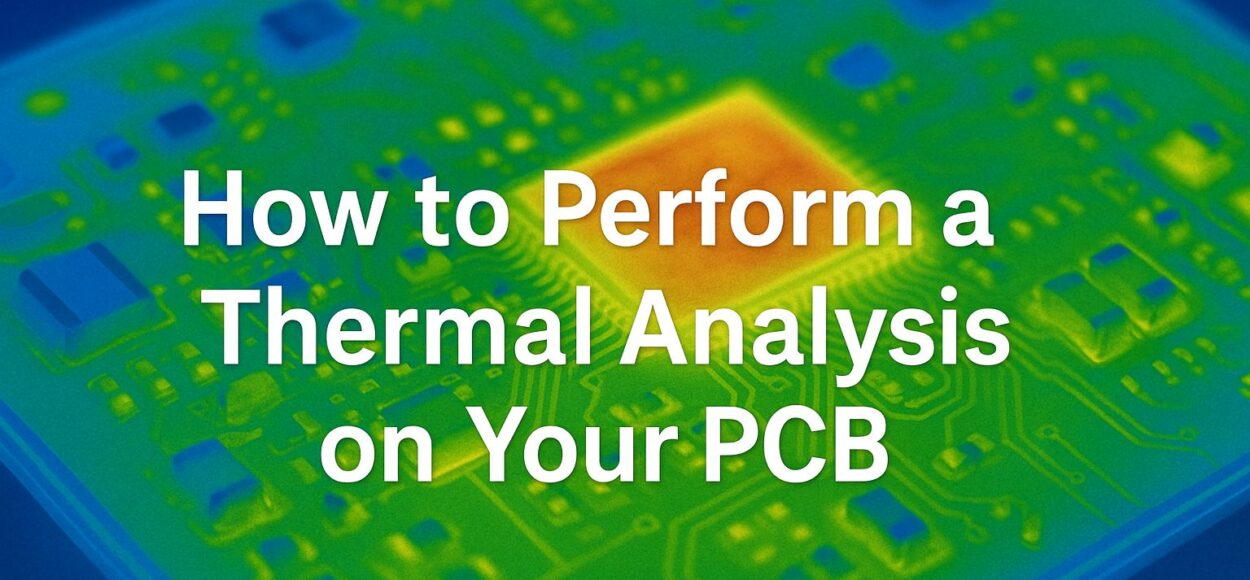
How to Perform a Thermal Analysis on Your PCB
Techniques for Heat Dissipation & Thermal Management Heat is one of the most common causes of electronic failure. When a PCB overheats, it can lead to: Damaged components Shortened product lifespan Performance drops Safety hazards Costly product recalls This is why thermal analysis is a critical step in PCB design […]
HDI PCBs: What Are They and Why Do They Matter?
A Complete Guide for Modern Electronics Manufacturers In today’s world of compact, high-performance electronics, traditional PCB designs often fall short. Devices are shrinking, components are becoming denser, and performance expectations are higher than ever. This is where HDI PCBs (High-Density Interconnect PCBs) have become a game-changer. Whether used in smartphones, […]
Understanding IPC-A-610 – The Standard for PCB Assembly Quality
Quality and reliability in PCB assembly are not optional – they are essential, especially when producing electronics for demanding applications. That’s where IPC-A-610 comes in: a globally recognized standard that defines the acceptability criteria for assembled printed circuit boards (PCBA). In this post, we explore what IPC-A-610 means, why it’s […]