
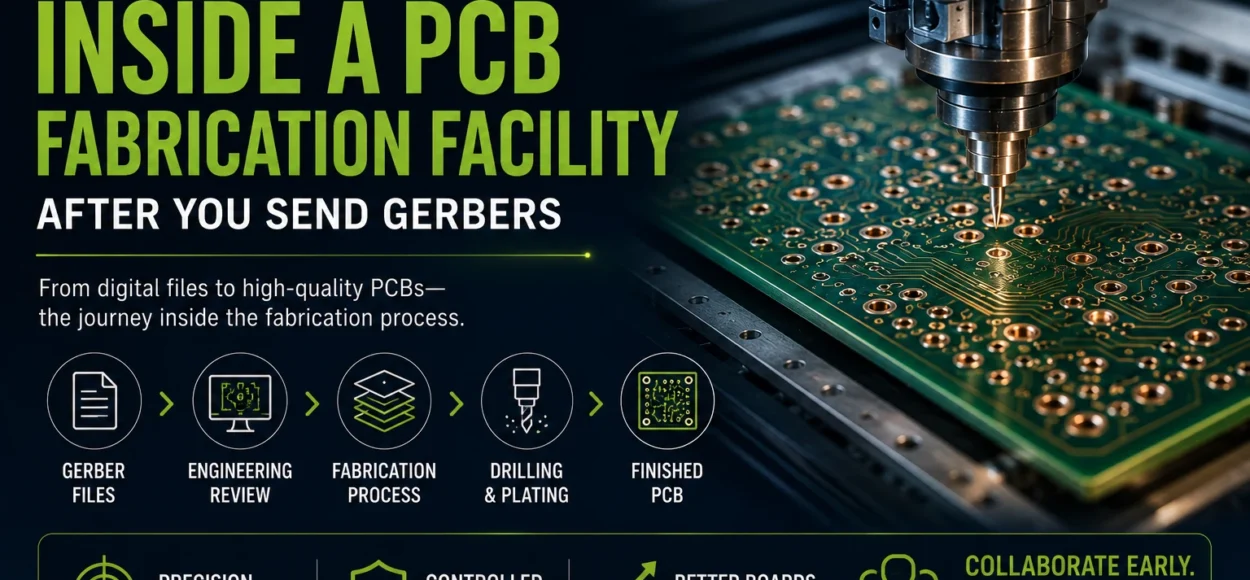
What Happens Inside a PCB Fabrication Facility After You Send Gerbers
When engineers release Gerber files for a printed circuit board, the design often feels complete. In reality, that is when the manufacturing journey begins. Inside a PCB fabrication facility, a series of precise and tightly controlled processes transform those digital files into a physical circuit board. Understanding what happens during […]
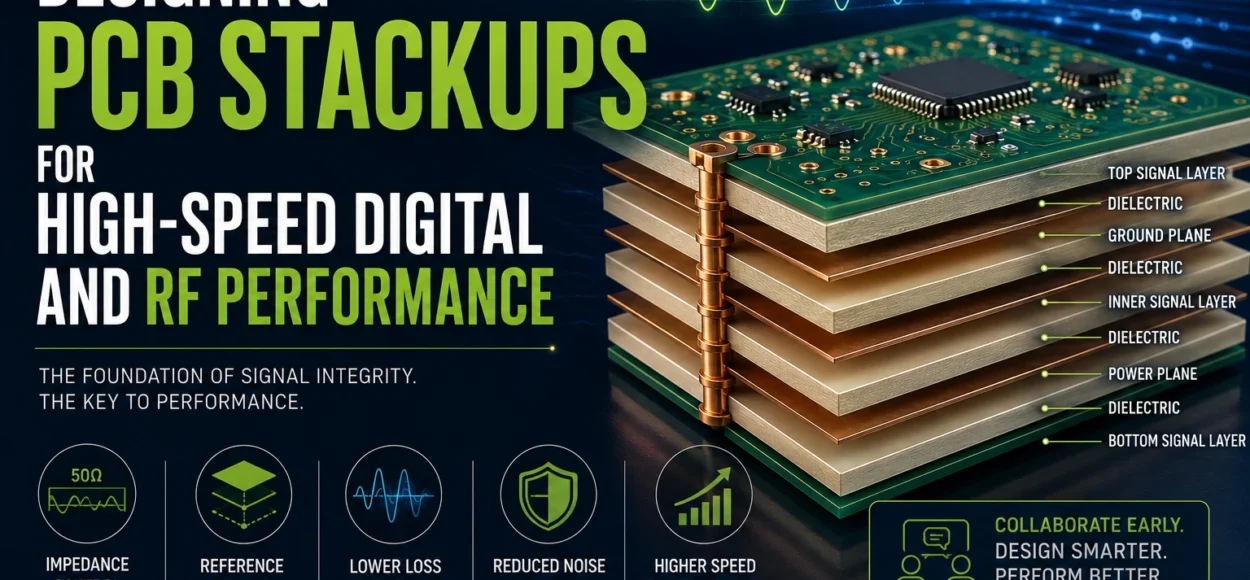
Designing PCB Stackups for High-Speed Digital and RF Performance
As digital speeds climb into multi-gigabit territory and RF designs push deeper into microwave frequencies, PCB stackup design has become one of the most critical elements of successful electronic systems. While many engineers focus primarily on routing and component placement, the truth is that signal integrity is often determined long […]
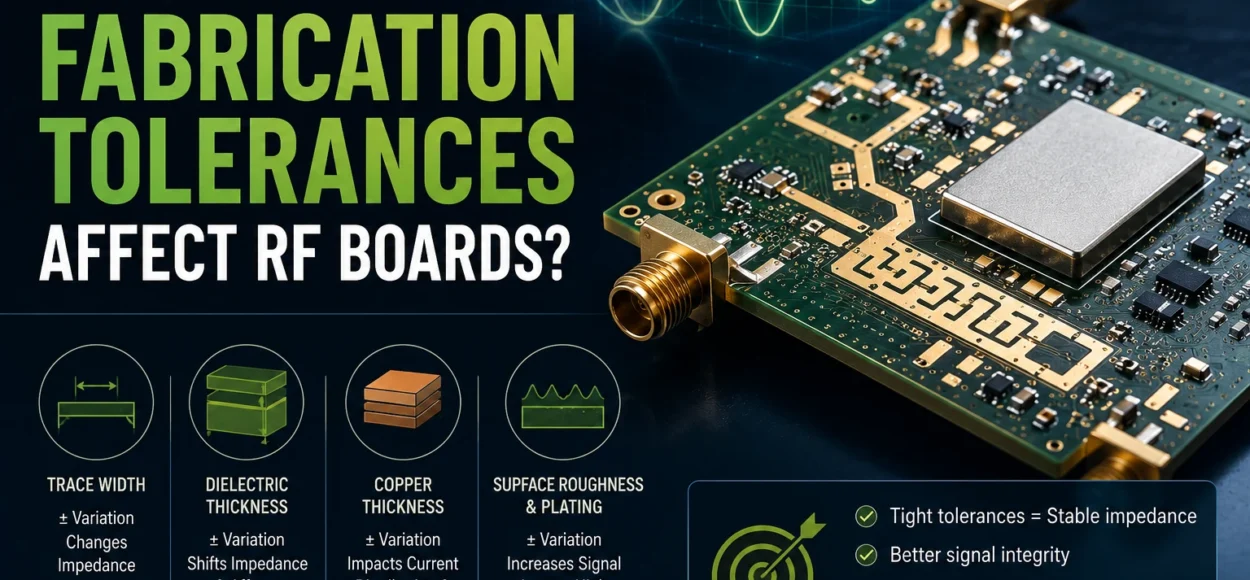
How Do Fabrication Tolerances Affect RF Boards?
RF circuit performance depends heavily on precise physical geometry, which means fabrication tolerances play a major role in how the finished board performs. Parameters such as trace width, dielectric thickness, copper thickness, and laminate consistency directly influence impedance and signal loss. Even small variations in these parameters can shift impedance […]
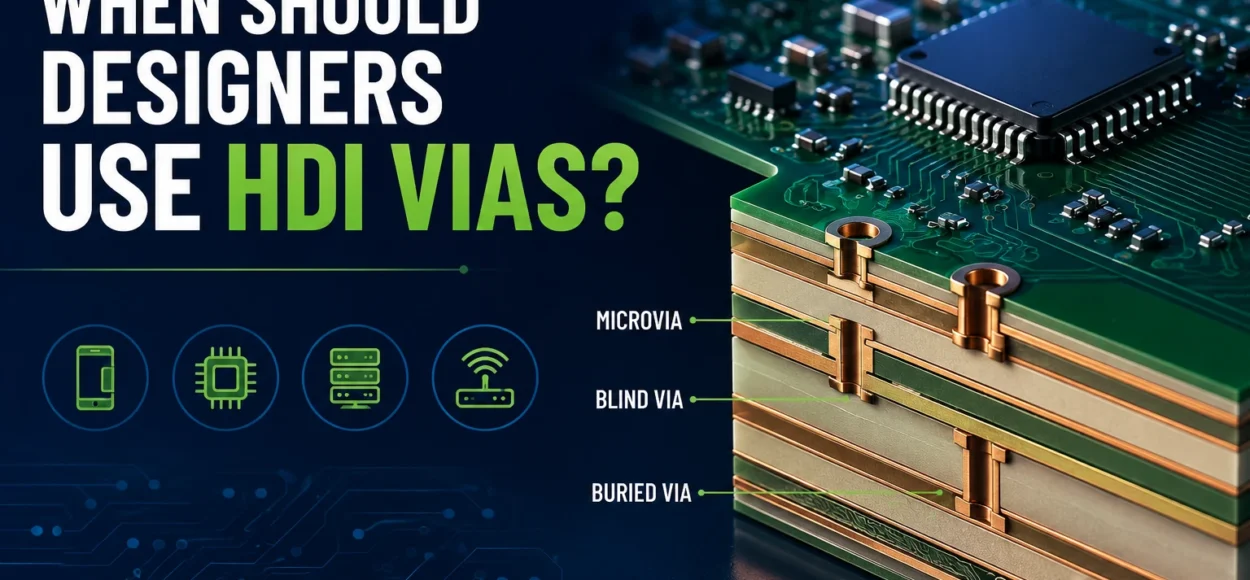
When Should Designers Use HDI Vias
High Density Interconnect (HDI) vias are most useful when circuit designs require extremely dense component layouts or advanced packaging technologies. As electronics become smaller and more powerful, traditional through-hole vias often limit routing flexibility. HDI structures use microvias, blind vias, and buried vias to connect layers without consuming large amounts […]
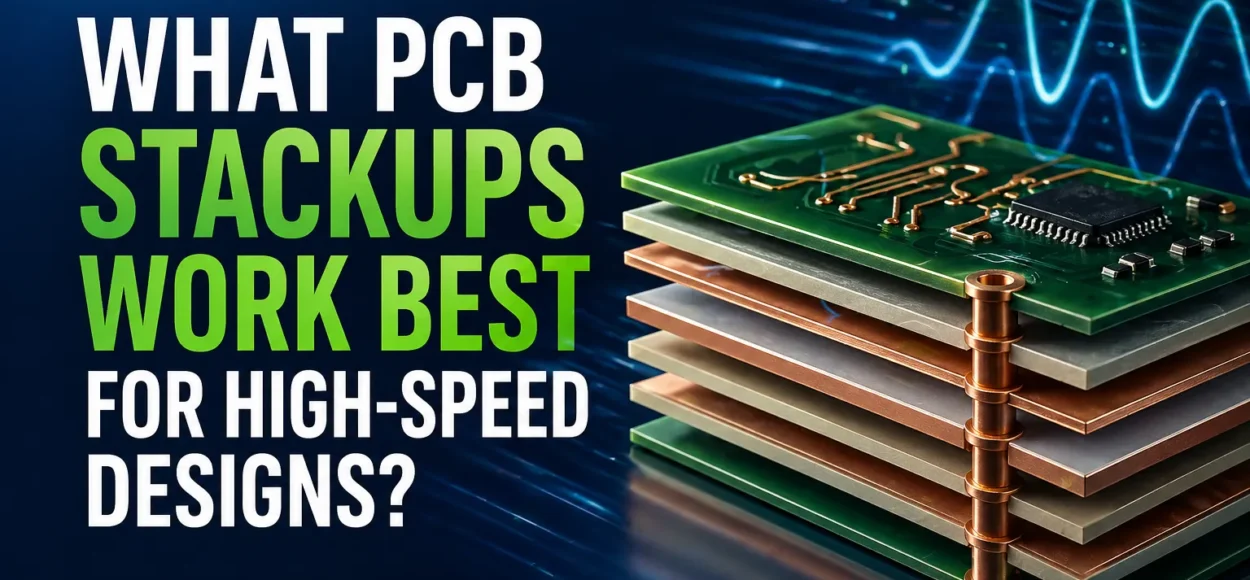
What PCB Stackups Work Best for High-Speed Designs?
High-speed digital circuits depend heavily on the PCB stackup structure, because the stackup determines impedance control, signal integrity, and electromagnetic performance. Most high-speed designs perform best with symmetrical multilayer stackups that include dedicated reference planes. A common configuration is a 6-layer or 8-layer stackup with signal layers adjacent to solid […]

What Are the Advantages of a Total Concept PCB Partner (Fabrication and Assembly)?
A Total Concept PCB provider offers both PCB fabrication and PCB assembly from a single source, giving engineers a more efficient and reliable path from design to finished electronics. Instead of coordinating between multiple vendors, designers work with one technical team that understands the entire manufacturing process. This integrated approach […]

The Ins and Out of Controlled Impedance
Controlled impedance is essential for high-speed digital, RF, and high-frequency circuit performance. Engineers spend significant time calculating impedance values during the design phase, yet when the finished PCB is tested, the measured impedance sometimes differs from the expected results. Understanding why this happens is key to designing boards that perform […]

Why PCB Prototypes Fail the First Time – And How Engineers Can Prevent It
In electronics development, few things are more frustrating than a prototype PCB that fails the first time it is built. Engineers often spend weeks designing, simulating, and validating their circuits, only to discover that the physical board does not perform as expected once it reaches fabrication or assembly. The truth […]
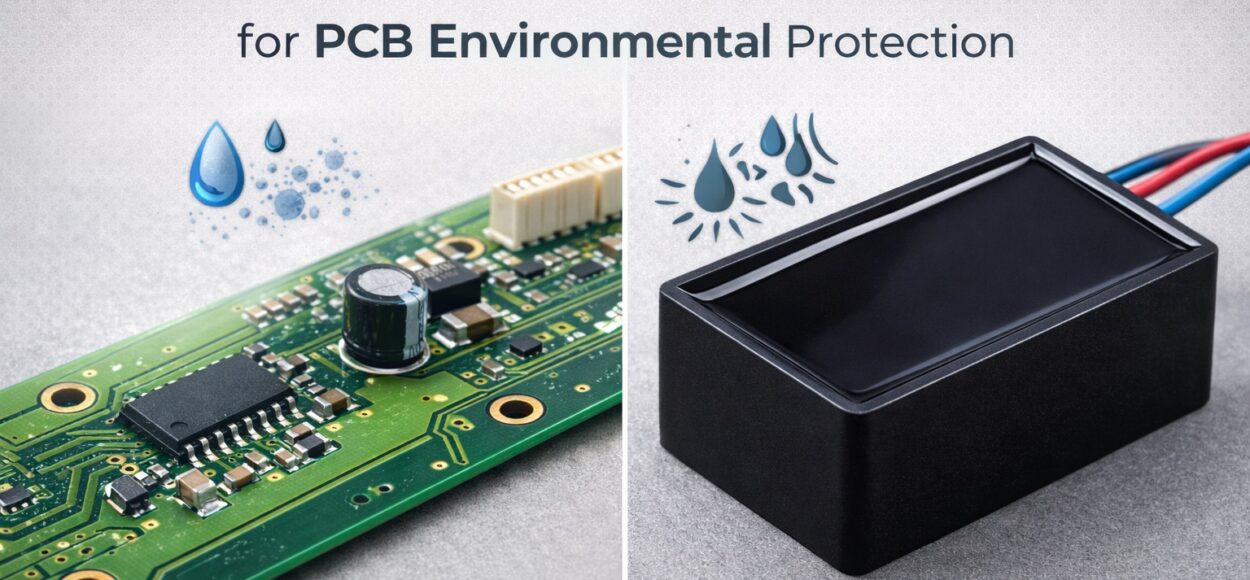
Conformal Coating vs. Potting: Protecting Your PCB from Environmental Damage
A Guide to Increasing PCB Lifespan with Protective Coatings Printed Circuit Boards (PCBs) are at the heart of modern electronic devices – controlling functionality in environments ranging from controlled indoor settings to harsh outdoor conditions. Whether you’re designing industrial controllers, automotive electronics, or consumer gadgets, protecting your PCB from environmental […]
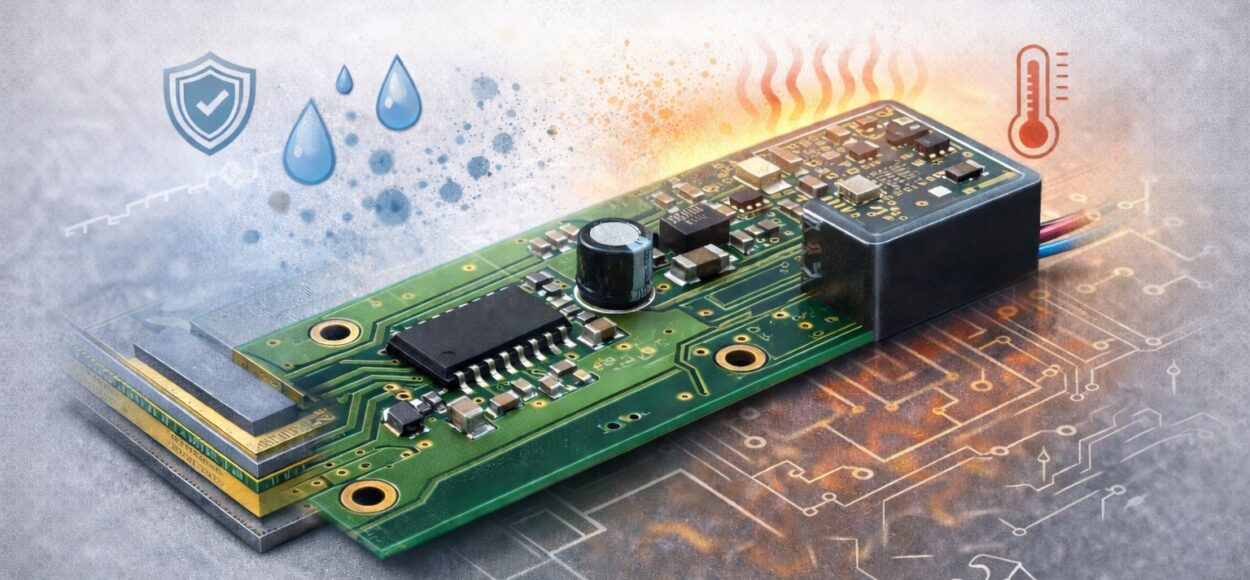
How to Design PCBs for Harsh Environments
Best Practices for Automotive, Aerospace, and Industrial Applications Printed circuit boards (PCBs) are everywhere – from consumer electronics to mission-critical systems in automotive, aerospace, and industrial environments. But not all PCBs are created equal. In harsh operating conditions – extreme temperatures, dust, vibration, moisture, chemicals – a standard PCB design […]