
Understanding IPC-A-610 – The Standard for PCB Assembly Quality
Quality and reliability in PCB assembly are not optional – they are essential, especially when producing electronics for demanding applications. That’s where IPC-A-610 comes in: a globally recognized standard that defines the acceptability criteria for assembled printed circuit boards (PCBA). In this post, we explore what IPC-A-610 means, why it’s […]
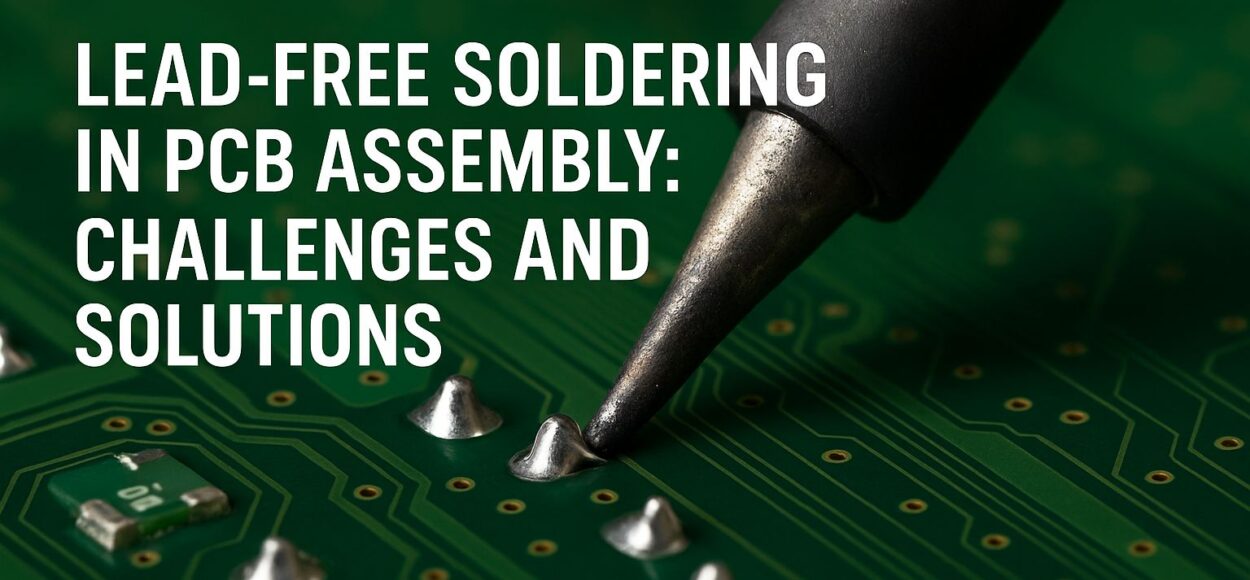
Lead-Free Soldering in PCB Assembly: Challenges and Solutions
In recent years, the electronics manufacturing industry has undergone a significant transformation driven by environmental regulations and increasing awareness of health and sustainability issues. Central to this transformation is the shift from traditional lead-based solder to lead-free alternatives – especially in PCB (Printed Circuit Board) assembly. For a company like […]
How to Optimize PCB Panelization for Cost and Efficiency
In PCB manufacturing, panelization is one of the most overlooked – yet most impactful – steps in optimizing production cost, speed, and material efficiency. By smartly arranging multiple PCBs onto a single manufacturing panel, manufacturers can minimize waste, reduce assembly time, and enhance yield consistency. At Precision4PCB, we emphasize design […]
Best Practices for High-Speed PCB Design: How to Mitigate Signal Integrity Issues, Ensure Accurate Impedance Matching, and Optimize Trace Routing
As technology advances, the need for faster, smarter, and more efficient electronic products increases by the day. From next-generation automotive systems and high-end networking gear to consumer devices, high-speed printed circuit boards (PCBs) drive the innovation it all relies on. But PCB design for high-speed is no longer business as […]